
Preparing for Civilian Life: Essential Tips for Veterans


Understanding the Transition
Transitioning from military to civilian life can be a significant change, often filled with both excitement and uncertainty. It's essential to recognize the differences in lifestyle and work culture that you might encounter. While the structured environment of the military offers clear expectations, civilian life often requires more personal initiative and flexibility.
Understanding these differences can help you better prepare for the transition. Embrace this period as an opportunity for growth and exploration. By doing so, you can set realistic expectations and build a fulfilling civilian life.

Building a Support Network
Having a robust support network is crucial during this transition. Friends, family, and fellow veterans can provide valuable guidance and encouragement. Consider joining veteran groups and organizations in your community. These groups can offer a sense of camaraderie and shared understanding.
Additionally, reaching out to professional networks can aid in career development. Platforms like LinkedIn can connect you with mentors and potential employers who value the skills veterans bring to the civilian workforce.

Exploring Educational Opportunities
Education can play a vital role in transitioning to civilian life. The GI Bill and other veteran-specific educational programs can help you gain new skills or complete a degree. Consider what areas of study align with your interests and career goals.
Researching various educational institutions and their veteran support services can ensure you select a program suited to your needs. Many colleges and universities offer dedicated resources to help veterans succeed academically.

Finding a New Career Path
Identifying a new career path is a common challenge for many veterans. Start by evaluating your military skills and how they translate to civilian roles. Skills such as leadership, teamwork, and problem-solving are highly valued in many industries.
Utilize resources like career counselors and job placement services that specialize in helping veterans. These experts can guide you through resume writing, interview preparation, and job searches, making the process less daunting.
Navigating the Financial Landscape
Financial planning is another critical aspect of transitioning to civilian life. Understanding your benefits and how to manage your finances can provide stability and peace of mind. Consider working with a financial advisor familiar with veteran benefits.
Creating a budget and setting financial goals can help you manage expenses and build savings. Taking these steps will support a secure financial future as you adjust to civilian life.

Focusing on Health and Well-being
Your physical and mental health should be a priority during this transition. Access to healthcare services, including mental health support, is vital. The Department of Veterans Affairs offers a range of healthcare services tailored to veterans' needs.
Engaging in regular physical activity, maintaining a healthy diet, and seeking support when needed can significantly impact your well-being. Don't hesitate to reach out to veteran-focused mental health resources if you're facing challenges.
Embracing a New Identity
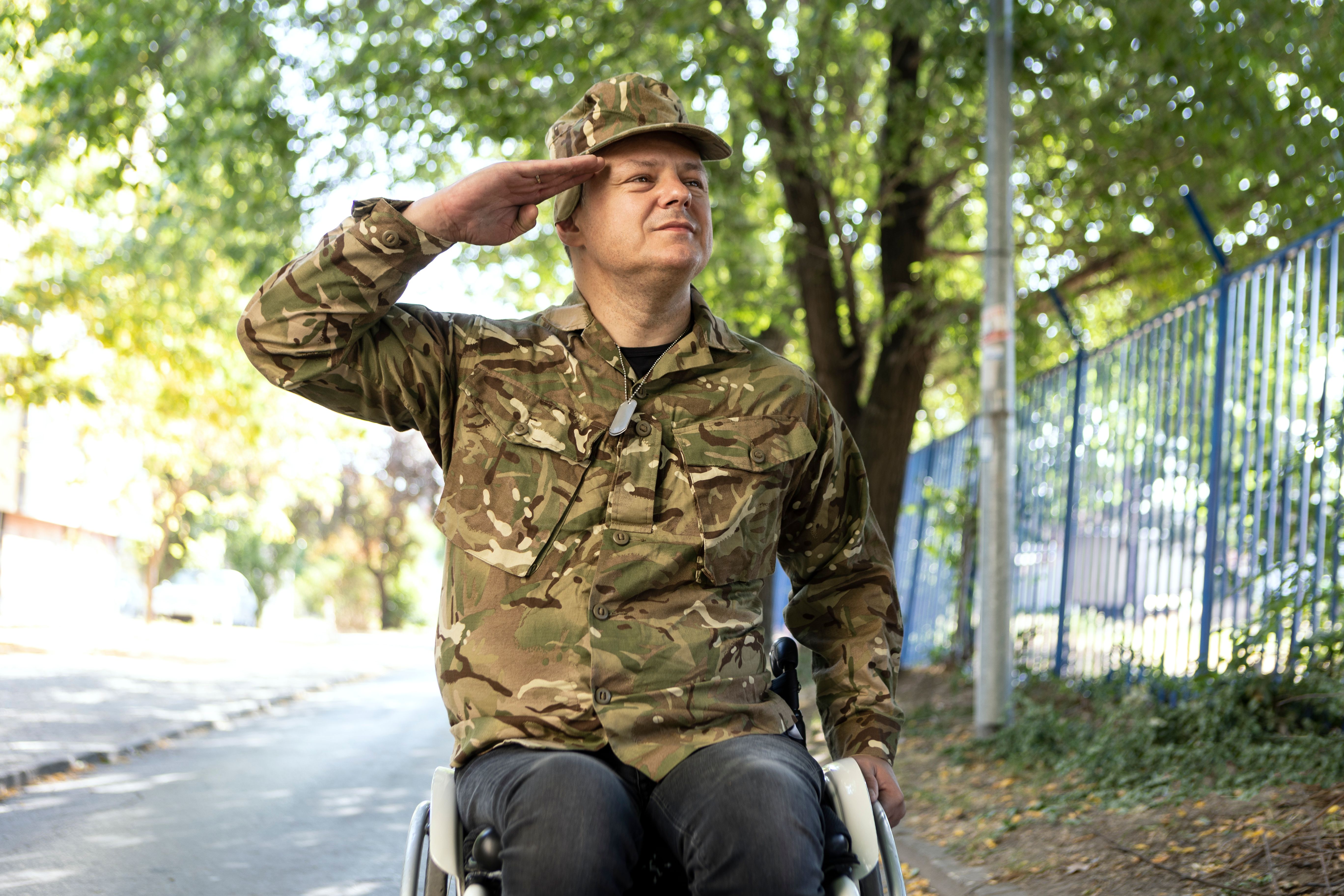
Finally, embracing your new identity in civilian life involves recognizing and celebrating the unique experiences and skills you've gained in the military. Take pride in your service and the resilience it has instilled in you.
Exploring hobbies, volunteering, and engaging in community activities can help you find purpose and fulfillment. By focusing on personal growth and self-discovery, you can build a rewarding life beyond military service.